


“What paramotor should I buy?” is probably the single most-asked question from new pilots. It comes up constantly in online paramotor groups, usually from someone who hasn’t trained yet and is looking at a listing on Facebook Marketplace. The experienced pilots’ answer is almost always the same: get trained first, then buy.
That’s not a sales line. It’s the advice that saves people the most money. This guide explains why, then walks through what actually matters when you choose your first paramotor, so you’ll know what to ask when the time comes.
Why Training Comes Before Buying
Until you’ve ground handled a wing and flown a few times, you don’t know what you don’t know. You don’t know if you’ll foot launch or trike, how a heavy motor feels on your back after the fifth inflation, or what wing size your weight needs. Buying first is how people end up with a motor that’s too heavy, a wing that’s too advanced, or a used unit that needs expensive work.
At Carolina PPG, all flight gear is provided during paramotor training, including helmets, wings, and motors. You get to fly real equipment before you spend a dollar on your own. As a Parajet dealer, we can help you match a paramotor, wing, and gear to your weight, fitness, and goals once you know what you need.
1. Start With Your Weight
Your all-up weight (you, your gear, the motor, and fuel) drives almost every other decision. It determines how much thrust you need and what wing size you should fly.
A common rule of thumb in the paramotor community is to choose an engine that produces thrust of at least roughly 70% of your body weight in kilograms (Paramotor Planet). Lighter pilots often do well with smaller engines in the Atom 80 class, which are lighter on your back and easier to launch. Average and heavier pilots usually need more power, which is where engines like the Vittorazi Moster 185 come in. Your instructor should help you land in the right range.
2. Lighter Is Usually Better for Foot Launch
If you’ll foot launch, weight on your back matters more than almost anything on a spec sheet. A lighter paramotor is easier to stand up with, easier to run with, and more forgiving when a launch doesn’t go perfectly. Many pilots start with a big, heavy, powerful motor and end up selling it for something lighter.
Manufacturer weights aren’t always comparable from brand to brand, so the best test is to put one on your back. That’s one reason training on real equipment is so valuable.
If you’ll fly a trike, the weight of the motor matters much less, and a bigger engine may make sense. Not sure which way you’ll fly? Read Foot-Launch vs. Trike Paramotor: Which Is Right for You?
3. Frame, Harness, and Fit
A paramotor has to fit your body. Look at:
- Harness adjustability: you should be able to sit comfortably and get into the seat easily after launch.
- Hang point system: it affects how the motor feels on the ground and how it handles torque in the air.
- Cage size and prop size: a bigger prop is often more efficient but makes the unit larger to transport.
- Break-down and transport: make sure it fits in your vehicle.
4. Choose a Beginner-Friendly Wing
Your wing is what’s holding you up, and it’s the part beginners most often get wrong. New pilots should fly a stable, forgiving wing designed for paramotor use, sized for their all-up weight. Higher-performance wings are faster and more responsive, but they’re less forgiving of mistakes. Your instructor should help you pick the wing and size.
We carry Ozone wings and can help you match one to your weight and experience. You can browse options in our shop.
5. Local Support and Parts Matter More Than Brand
One of the best pieces of advice you’ll hear from experienced pilots: buy the unit with the best local support and the easiest parts. When something breaks, and eventually something will, you want someone who knows your motor, has parts, and can help you get back in the air.
As a Parajet dealer, we can support the paramotors we sell. Popular engines like the Vittorazi Moster 185 and Atom 80 are widely flown, which makes parts and knowledge easier to find. Check out the Parajet Maverick 2 and the lighter Parajet Maverick Cadet 2 to see two very different starting points.
6. Don’t Forget Helmet, Comms, and Safety Gear
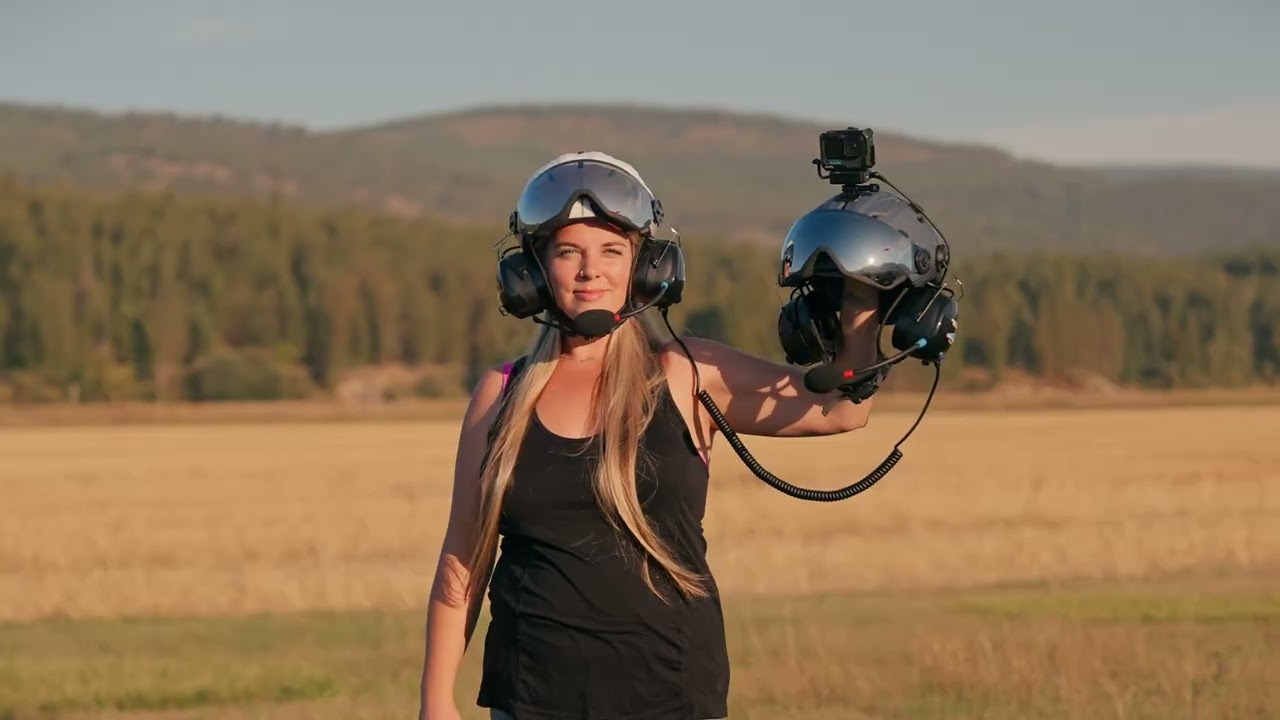
Budget for an EN 966-certified flight helmet, hearing protection, a radio headset, and (eventually) a reserve parachute. Hearing protection isn’t optional with an engine inches behind your head. Read Paramotor Hearing Protection: Why Every Pilot Needs It for the details.
Buying Used? Read This First
Used gear can save money, and it’s a popular way to get started. It can also go very wrong. The most common advice from experienced pilots is simple: don’t buy blind, and have someone who knows paramotors look it over first. Here’s what to check.
Used Motor Checklist
- Ask for the engine’s hours, service history, and any rebuilds. Then inspect it as if those numbers were wrong.
- Look at the frame and cage for cracks, bends, and repaired welds.
- Check the propeller for chips, cracks, and delamination.
- Inspect the harness, buckles, carabiners, and attachment points for wear.
- Check fuel lines, the tank, and the carburetor for leaks or hardening.
- Look up the maintenance manual and see what parts are due at the current hours.
- Make sure the engine size matches your weight.
Used Wing Checklist
- Ask for the age, flight hours, and history, including any tree landings or water landings.
- Ask for a recent inspection report, including a porosity test and line check.
- Look for UV fading, tears, repairs, and damaged lines.
- Confirm the size and certification match your weight and skill level.
If you’re looking at a used setup, call us before you buy. We’d much rather help you avoid a bad deal than help you fix one later.
What a First Setup Costs
Based on the ranges in our cost guide, a new paramotor typically runs about $6,000–$10,000 and a new wing about $2,500–$4,500, before helmet, comms, and accessories. Used gear can lower that, but budget for an inspection and any parts it needs. See our full powered paragliding cost breakdown for details.
Frequently Asked Questions
What is the best paramotor for beginners?
The best paramotor for a beginner is the one sized to your weight, comfortable on your back (if you’ll foot launch), and supported by someone nearby who can service it. Train first and fly a few setups before you decide.
Should I buy a paramotor before training?
No. A good school provides gear during training, and you’ll make a much better buying decision after you’ve flown. At Carolina PPG, helmets, wings, and motors are provided during training.
Is it safe to buy a used paramotor?
It can be, if you inspect it carefully, know its history, and ideally have an experienced pilot or instructor look at it. Never buy a used wing without knowing its age, hours, and inspection history.
How big of an engine do I need?
It depends mainly on your weight and whether you’ll foot launch or trike. A common rule of thumb is thrust of at least about 70% of your body weight in kilograms. Your instructor should help you choose.
Do you help students pick gear after training?
Yes. As a Parajet dealer, we help students choose the right paramotor, wing, and gear for their weight, fitness, and goals. Call (336) 493-2244.
Fly First, Then Buy
Our full paramotor training course is $3,500 and runs 8–9 days, or 3–4 weekends, at Richmond County Airport in Rockingham, NC. Not ready for training yet? Try a $150 Introductory Flight and see what it’s like.
Call or text (336) 493-2244, or get started online.


