


Foot launch vs. trike paramotor is one of the most common questions new pilots ask, and it shows up in online paramotor groups almost every week. The honest answer is that neither one is better for everyone. Both are real powered paragliding. Both use the same wing, the same throttle, and the same airmanship. The difference is how you get off the ground and back onto it, and that difference matters a lot depending on your body, your goals, and where you want to fly.
At Carolina PPG we teach both foot-launch and trike paramotor training at Richmond County Airport in Rockingham, NC, so we see students choose each one for good reasons. Here’s how we help people decide.
The Short Answer
- Foot launch means the paramotor is on your back. You run, the wing comes overhead, and you take off on your feet. It’s the classic way to fly, it’s lighter to transport, and it lets you use smaller and rougher fields.
- Trike launch means the paramotor is mounted to a wheeled frame. You sit down the whole time, taxi into the launch, and land on wheels. It’s much easier on your knees, back, and ankles, and it handles heavier pilots and heavier engines well.
If you’re fit, light to average weight, and want the most freedom in where you fly, foot launch is usually the natural fit. If you have knee or back problems, you’re a heavier pilot, or you simply don’t want to run with 50+ pounds on your back, a trike can get you in the air with a lot less strain.
Physical Demands
This is the biggest factor for most people. A typical foot-launch paramotor weighs somewhere between 45 and 80 pounds with fuel, and you have to stand up with it, run with it, and absorb your landings with your legs. Ground handling the wing is a workout on its own. Most students get sore during training, and that’s normal.
A trike takes almost all of that load off your body. You still have to handle the wing, steer, and manage the throttle, but you’re sitting in a seat with the frame and wheels taking the weight. For pilots with bad knees, previous back injuries, or a few more years on the odometer, that can be the difference between flying and not flying at all.
Plenty of pilots in the paramotor community mention that they started on a trike because of their joints, and many say it let them fly more often. Others start on foot and add a trike later. There’s no wrong order.
Launch and Landing Sites
Foot launch gives you the most options. You can launch from a smaller field, step over a rough patch or a ditch, and handle tall grass or uneven ground. You can also reverse-launch (face the wing while it comes up) in stronger wind, which gives you more control if the wing drifts to one side.
A trike needs a smoother, longer runway. Wheels don’t like holes, ruts, tall grass, or obstacles, and a trike usually needs more distance to get airborne because it’s heavier. On the other hand, landings on wheels are often more relaxed, especially on pavement or in light tailwind conditions where a foot-launch pilot has to run it out.
We train at an airport, so both options have plenty of room here. Where it matters is after training, when you’re flying from fields near home.
Transport and Storage
A foot-launch paramotor can fit in the back of most SUVs and many sedans with the cage broken down. It’s easy to carry to a field, and easy to store in a garage corner.
A trike is bigger and heavier. Most trike pilots use a truck bed, a hitch carrier, or a small trailer. That’s not a deal-breaker, but it’s something to plan for, especially if you live in an apartment or don’t have a truck.
Cost
Trikes usually cost more because you’re buying the wheeled frame on top of the motor, or a dedicated trike unit. Some trike attachments are designed to work with a foot-launch motor, which lets you fly both ways with one engine. Your wing choice also changes: trikes are heavier, so your all-up weight goes up, and your wing needs to be sized for that weight.
For a full breakdown of what training and gear cost, read our powered paragliding cost guide.
Safety
You’ll find strong opinions both ways. Some pilots say foot launch is safer because aborting a takeoff is intuitive. You just stop running. Others point out that trike mishaps usually happen when the wing pulls to one side during launch and the trike tips, sometimes with the pilot instinctively putting out an arm. The common thread in almost every story is the same: proper training on the launch method you’ll actually fly.
Trike launches have their own technique, and so do foot launches. Switching from one to the other, in either direction, deserves real instruction rather than figuring it out alone. For more on how we approach risk, read Is Paramotoring Safe? What Every Beginner Should Know.
Side-by-Side Comparison
| Foot Launch | Trike Launch | |
|---|---|---|
| Physical demand | Higher: carry, run, and land on your feet | Lower: seated the whole time |
| Launch field | Smaller and rougher fields OK | Needs a smoother, longer surface |
| Transport | Fits in most SUVs | Usually a truck, carrier, or trailer |
| Typical cost | Lower | Higher (frame or trike unit) |
| Heavier pilots | Harder | Easier |
| Strong-wind launches | Reverse launch gives more control | More limited |
| Landings | Run it out on your feet | Roll out on wheels |
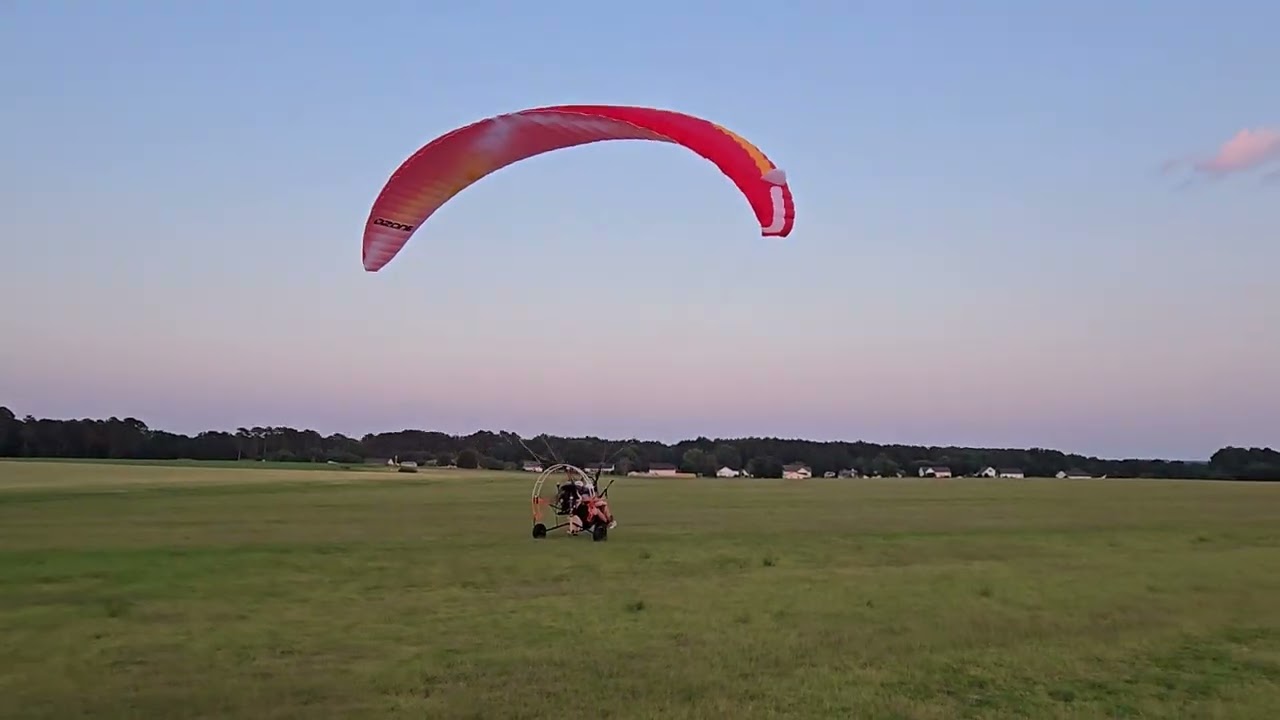
Watch a Trike Launch
Here’s a quick look at a trike launch from one of our flying days. Notice how the pilot stays seated while the wing comes up overhead.
How Training Works for Each
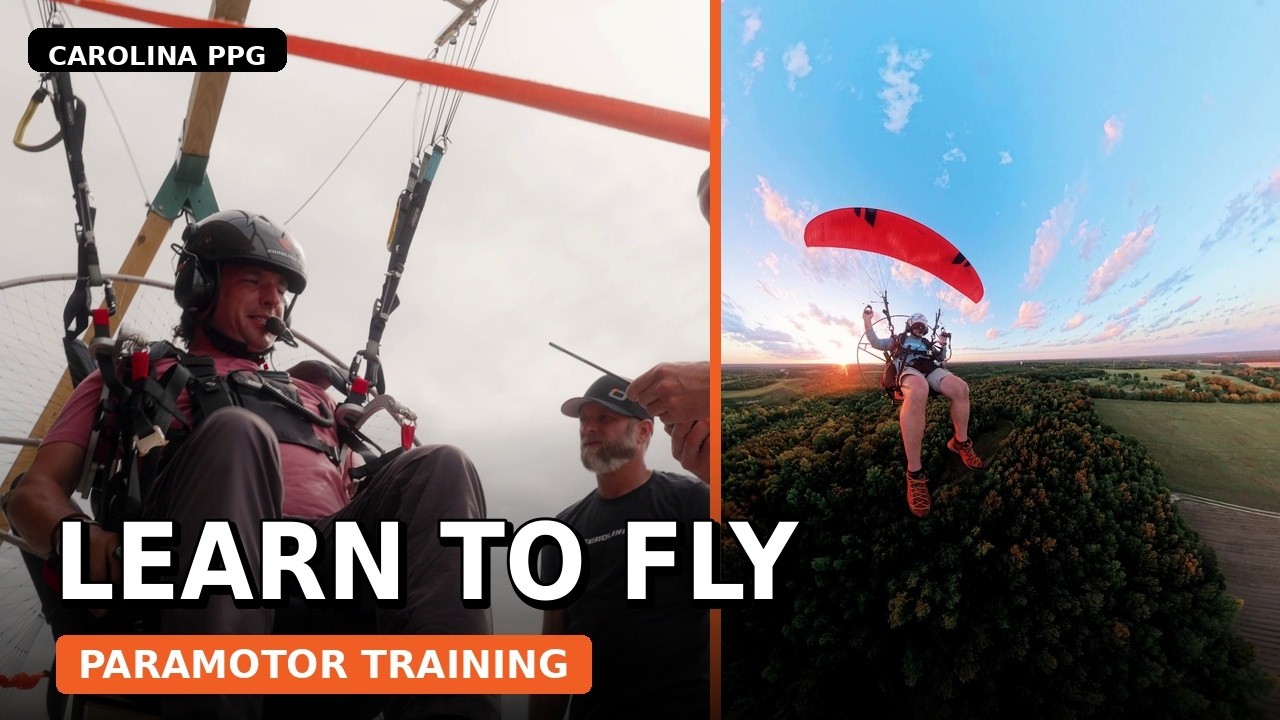
Our full course is $3,500 and runs 8–9 days, or you can spread it across 3–4 weekends. All flight gear is provided during training, including helmets, wings, and motors. Foot-launch and trike students both start in the classroom and on the simulators, then spend a lot of time ground handling a real wing, because wing control is the core skill no matter which way you launch.
Foot-launch students then work on forward and reverse launches, power walking, and running takeoffs. Trike students learn how to lay out and hook in the wing on the trike, power taxi, keep the trike straight while the wing comes up, and handle the roll-out on landing. See How Long Does It Take to Learn to Fly a Paramotor? for a step-by-step look at training.
Questions to Ask Yourself
- Can I comfortably jog 50–100 feet carrying a heavy backpack?
- Do I have knee, ankle, hip, or back issues?
- Where will I fly most: small farm fields or larger open areas?
- Can I transport and store a bigger trike?
- Do I want the option to fly both ways eventually?
Bring your answers to us. We’ll talk through them honestly and steer you toward the option that fits your body and your goals. That’s a lot better than buying the wrong setup first.
Frequently Asked Questions
Is a trike easier to learn than foot launch?
For many people, yes, especially on the physical side, because you don’t carry the motor or run. You still have to learn wing control, steering, and throttle management, and trike launches have their own technique. Both take real training.
Can I switch from trike to foot launch later?
Yes. Many pilots add the other launch method later. Some trike attachments work with a foot-launch motor, so one engine can do both. Plan on some extra instruction when you switch, because the launch technique is different.
Is foot launch or trike safer?
Pilots disagree, and both have their own risks. Foot launch makes aborting a takeoff simple, while trikes take impact loads off your legs. The biggest safety factor is solid training on the launch method you’ll actually fly.
I’m a heavier pilot. Should I fly a trike?
Often, yes. A trike carries the motor’s weight for you and handles heavier engines and larger wings well. Call us at (336) 493-2244 and we’ll talk through your situation.
Can I try both before I decide?
A $150 Introductory Flight is a great way to experience powered paragliding firsthand and talk through foot launch vs. trike with an instructor before you commit.
Not Sure Yet? Start With an Introductory Flight
The easiest way to figure out what you want is to fly. Our $150, 25-minute Introductory Flight puts you in the air with a USPPA-certified instructor, with a MicroAvionics radio intercom so you can talk the whole time. Afterward, we’ll walk you through foot launch vs. trike and what training would look like for you.
Call or text (336) 493-2244, or get started online.


